
ADU Questions · 2026
Do Prefab ADUs Hold Their Value?
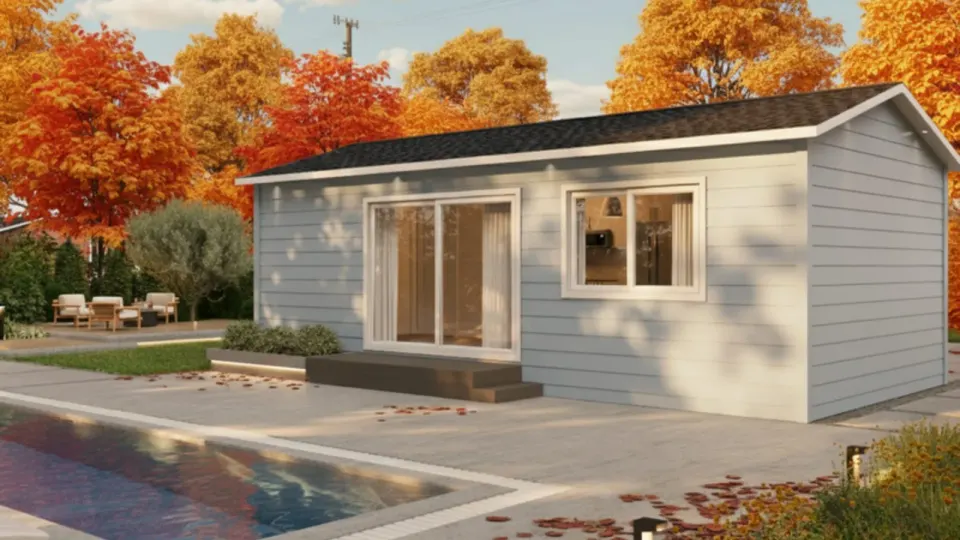
Yes, a well-built, permitted prefab ADU holds and adds real property value, generally in line with a comparable site-built ADU. The reason is simple: once it’s inspected and finaled, it’s a permanent, code-compliant structure attached to your property, not a vehicle-like unit that can be hauled away. The confusion people run into is that “prefab” gets lumped in with an older stigma around mobile or manufactured homes, and those are a legally and structurally different category entirely.
The short version: A permitted, factory-built ADU on a permanent foundation holds and adds value the same way a site-built ADU does, because appraisers and lenders treat it as real estate. A manufactured or mobile home, built to a different federal code and often set on a chassis, does not carry the same value or financing treatment. The construction method matters far less than whether the unit is permanently affixed, code-built, and permitted.
Why the “prefab” stigma is outdated
For decades, “prefab” or “factory-built” carried a mental association with trailer parks and depreciating mobile homes. That reputation came from an entirely different product: manufactured homes built to a federal standard, set on a steel chassis, and legally treated more like a vehicle than a house.
Modern prefab ADU construction, the kind Framework First and most reputable modular builders use, isn’t that. About 97% of the home is built in a factory, then crane-delivered to the property in one day and set permanently on a poured foundation, just like the framing crew would have done on-site. The building code doesn’t change because the walls went up indoors. What changes is where the work happened, not what standard it was held to.
Factory-built (modular) vs. mobile/manufactured: the distinction that actually matters
This is the distinction that decides whether your ADU holds value, and it comes down to two things: what code it’s built to, and whether it’s permanently attached to the land.
| Factory-built / modular ADU | Mobile / manufactured home | |
|---|---|---|
| Building code | Same state and local building code as a site-built home | Federal HUD code, a separate standard |
| Foundation | Permanently affixed to a poured foundation | Often set on a chassis, can be relocated |
| Legal treatment | Real property, part of the parcel | Can be titled more like a vehicle |
| Appraisal and value | Appraises and holds value like any other permanent structure | Often depreciates, valued differently by appraisers |
| Financing | Eligible for standard mortgage and home-equity financing tied to the property | Financing can differ, sometimes chattel loans tied to the unit itself, not the land |
A factory-built ADU that’s permitted and permanently foundation-set is, legally and physically, real estate. It goes through the same California building code review, the same inspections, and the same final sign-off as a home framed board by board on your lot. Once it’s finaled, an appraiser has no reason to value it differently just because the walls were built indoors.
A manufactured or mobile home is a different animal by design. It’s built to the federal HUD code specifically because it’s meant to be capable of relocation. That’s a legitimate housing product, but it isn’t what most people mean when they picture a modern backyard ADU, and it isn’t what determines whether an ADU adds value to your property.
What actually drives whether an ADU holds value
Construction method (factory vs. site) is not the deciding factor in resale value. What matters is:
- Is it permitted? An unpermitted structure, prefab or site-built, is a liability, not an asset. Buyers and lenders both treat unpermitted work as a red flag.
- Is it permanently affixed to a foundation? This is what makes it real property instead of personal property.
- Is it code-compliant? Built to the same standard as the rest of the house, not a separate or lesser one.
- Is the finish quality good? Just like a site-built addition, cheap materials and sloppy work hurt value regardless of where the unit was assembled.
None of those four questions are about whether the structure came out of a factory. A well-built prefab ADU checks every box a well-built site-built ADU does. A cheaply built one, of either type, will underperform at appraisal.
Where this connects to building with Framework First
Framework First builds modular, code-built ADUs, not manufactured or mobile homes. Every model goes through the same California building code review as a site-built home, gets set permanently on a poured foundation, and comes with a permitting budget, inspections, and final sign-off built into the process. Our 14 models range from 405 to 1,200 square feet, priced $199,000 to $599,000, with a permitting budget included along with plans, foundation, the factory build, delivery, utility hookups, appliances, and final inspection. Exact permit costs are set by each city and county, so they’re property-specific and confirmed in your feasibility study.
For the deeper numbers on appraisal premiums and what specifically boosts or hurts an ADU’s value at resale, our guide on ADU appraisal and resale value walks through how appraisers actually calculate it. If you’re weighing prefab against a fully site-built crew, prefab vs. site-built ADU covers that comparison directly, and you can browse the full lineup on our models page.
Frequently asked questions
Does a prefab ADU appraise the same as a site-built one?
Yes, when both are permitted, code-built, and permanently affixed to a foundation. Appraisers value the finished, inspected structure, not the method used to build it. A factory-built ADU that meets the same building code and is permanently set on the property is treated as real estate just like a site-built ADU. See our appraisal and resale value guide for how that math works.
Is a prefab ADU the same thing as a manufactured or mobile home?
No. A modular or factory-built ADU is constructed to the same state and local building code as a site-built home and is permanently affixed to a foundation. A manufactured or mobile home is built to a separate federal HUD code, often set on a steel chassis, and can typically be relocated. They’re legally and structurally different products, and that difference is exactly what affects value, appraisal, and financing.
Can I get a regular mortgage or home equity loan against a prefab ADU?
Generally yes, if the ADU is permitted and permanently affixed to a foundation as part of the property. Because it’s treated as real estate rather than personal property, it’s typically eligible for the same financing products used for any home improvement tied to the land. A manufactured home on a chassis can face different financing terms. Confirm your specific situation with a lender.
Does it matter what percentage of the ADU was built in a factory?
Not for value or code purposes. Whether a home is built 50% or 97% off-site doesn’t change which building code it must meet or whether it needs to be permanently affixed and permitted. What matters is the finished result: a code-compliant, permitted, permanently attached structure. Framework First builds roughly 97% of each home in our Salinas factory before crane-delivering and setting it on a poured foundation.
Will an unpermitted prefab ADU still hold value?
No. Permitting is the single biggest factor in whether any ADU, prefab or site-built, holds or adds value. An unpermitted structure creates legal risk for a future buyer and their lender, and that risk shows up as reduced value or financing difficulty, regardless of how well it was built. Always confirm permitted status before assuming an ADU adds value to a property.
Curious what a permitted, factory-built ADU would look like on your own lot? Start a feasibility study and we’ll walk you through what fits, what it costs, and what it adds to your property.